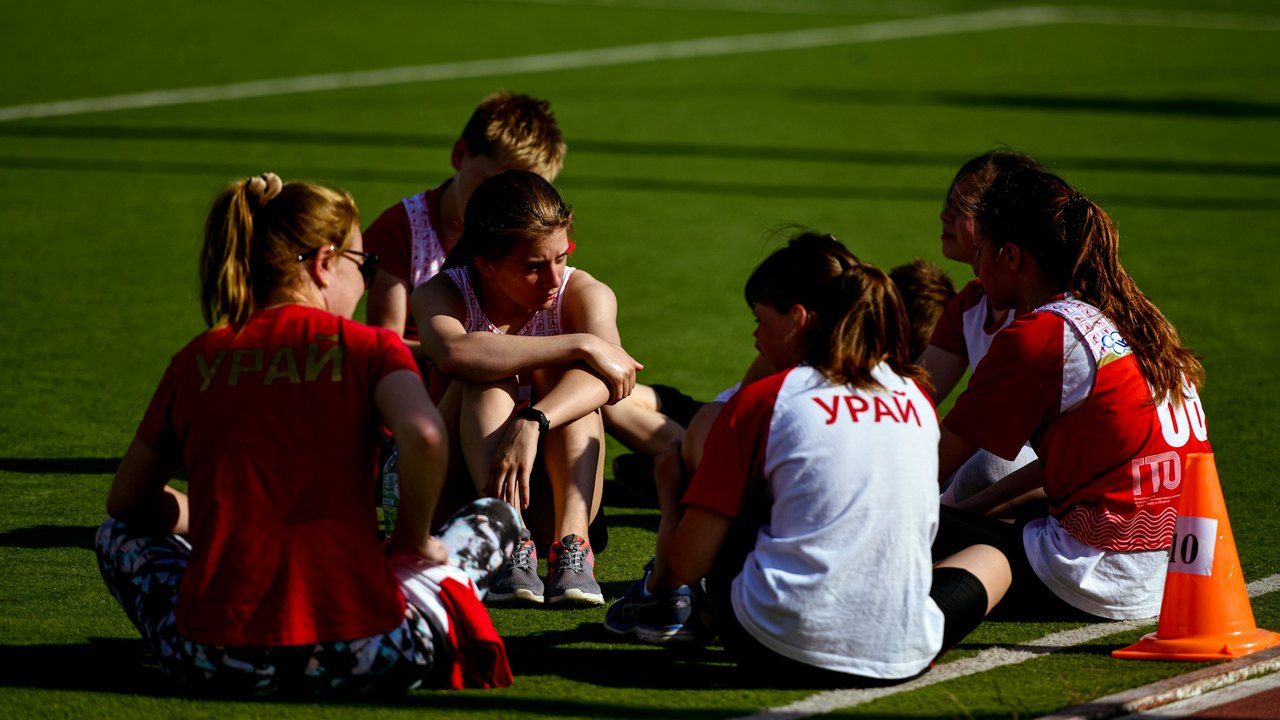
Girls are not less interested in sports than boys. They are less likely to get in, and more likely to stop feeling they belong once they do. That is the core finding of the Women's Sports Foundation's first annual Sport Report, released September 30, 2026: 45% of girls ages 8 to 18 play organized sports, compared with 52% of boys, yet 54% of girls who have never played say they want to. For program directors, our read is that the growth is sitting on the sidelines, and the barriers are things a program controls: price, entry points and how the first season feels.
- 45% vs 52%of girls and boys ages 8 to 18 who currently play organized sportsWomen's Sports Foundation, Sept. 30, 2026
- 54%of girls who have never played organized sports say they want to (boys: 52%)Women's Sports Foundation, Sept. 30, 2026
- 31% vs 58%of girls who play, in households under $50K versus over $100KWSF Sport Report 2026
- $500 vs $400median annual sports spending on girls versus boysWomen's Sports Foundation, Sept. 30, 2026
What the report measured
YouGov fielded the survey from May 28 to June 15, 2026, among a nationally representative sample of more than 6,100 U.S. parents and their children. The youth results cover 3,065 children ages 8 to 18, split roughly evenly between girls and boys and across three age groups, with each child answering independently of the parent. The report counts a child as playing if they are in a team or individual sport with a coach, scheduled practices or competition. That definition is stricter than some federal measures, which is one reason its participation rates look lower than other headline figures. For those, see our youth sports participation statistics roundup.
Two cautions from the report itself: the age-group comparisons are snapshots of different children at one point in time, not the same girls followed over years, and several subgroup findings rest on small samples, which the report labels directional.
The gap starts at age 8
The usual explanation for girls leaving sports is puberty and the social pressure of the teen years. The data does not fit that neatly. Girls trail boys by eight percentage points at ages 8 to 10 (46% versus 54%), and among the youngest group, 44% of girls have never played organized sports, compared with 37% of boys. The gap holds at 11 to 13 (47% versus 52%) and 14 to 18 (43% versus 51%).
Interest is not the problem. Girls who have never played want to as much as boys (54% versus 52%), and the share is higher among Hispanic girls (61%) and Black girls (58%) who have never played. 58% of all girls say they wish there were more opportunities to play, and 64% of parents of current or past girl athletes wish there were more teams and leagues for their daughters. Yet 85% of parents believe boys and girls already have equal opportunity in their community.
Girls are telling us clearly that the desire to play is there. Our responsibility is to make sure opportunity meets that demand.
Income divides girls more than gender does
The sharpest line in the report is money. Among girls, 31% in households under $50,000 currently play, versus 58% in households over $100,000. The report calls that 27-point gap nearly four times the size of the gender gap. Where girls play also changes with income: 76% of lower-income girl players take part through school, versus 60% of higher-income girl players, and only 23% of lower-income girls are in private clubs or travel teams, versus 53% of higher-income girls.
Girls also cost more. Median annual spending is $500 for girls and $400 for boys, and more than one in three parents of girls who play spend $1,000 or more. Below $100,000 in household income, most families spend around $300 a year; above it, they typically spend over $1,000. Among girls who have never played, 21% in households under $50,000 cite cost as a barrier, versus 8% in households over $100,000, a finding the report marks as directional. For clubs that run on volunteer budgets, our guide to collecting team fees online covers payment plans that spread that cost.
Belonging fades in the teen years
At ages 8 to 10, 80% of both girls and boys feel sports are for someone like them. Among 14 to 18-year-olds, that drops to 66% for girls and 73% for boys, a 14-point difference across age groups for girls against a 7-point one for boys. 22% of girls ages 14 to 18 have played and quit, versus 17% of boys, though girls and boys quit at about the same average age (11.9 versus 11.7).
Why they leave matters for anyone running a program. The top reason is the same for both: 41% of girls and 41% of boys who quit say sports stopped being fun. After that, girls' reasons are more often social: not feeling good enough (21% versus 18%), not having friends on the team (15% versus 8%), or not liking their coach (12% versus 7%). Girls are also more likely to leave for a competing activity (32% versus 19%, as reported by the children themselves). Cost was named by 14% of girls and 13% of boys who quit.
What program directors can do (our read)
These are our suggestions, not findings from the report.
- Open a beginner entry point for girls who have never played, at ages 8 to 10 and again at 11 to 13. A first season should not assume prior skill or a club resume.
- Offer a low-cost tier. A shorter recreational season, borrowed equipment, or a payment plan can bring in the families the income gap leaves out.
- Recruit in groups. Not having friends on the team is a top social reason girls quit, so let girls register together and keep friends on the same roster where you can.
- Invest in coaches of girls' teams, especially at 8 to 10, where the report says the youngest girl dropouts were three times as likely as boys to quit because of their coach (a directional finding).
- Make it fun on purpose. Stopped being fun is the top reason for quitting for both girls and boys.
- Show girls on your registration page and social channels. In the report, 45% of girls could not name a favorite professional athlete, compared with 29% of boys.
Softball offers one live example of visibility turning into sign-ups: Little League reports its youngest softball division grew 9% after a record TV summer, which we cover in One billion minutes: what Little League softball's TV moment means.
Frequently asked questions
What percentage of girls play sports?
In the Women's Sports Foundation's 2026 Sport Report, 45% of girls ages 8 to 18 currently play organized sports, compared with 52% of boys. The report counts a child as playing if they are in a sport with a coach, scheduled practices or competition.
Why do girls quit sports?
The top reason in the 2026 WSF Sport Report is that sports stopped being fun, cited by 41% of girls and 41% of boys who quit. Girls more often cite social reasons, such as not having friends on the team (15% versus 8% of boys) or not liking their coach (12% versus 7%).
Do girls' sports cost more than boys'?
In the 2026 WSF Sport Report, median annual sports spending was $500 for girls and $400 for boys, and more than one in three parents of girls who play spent $1,000 or more.
Do girls want to play sports?
Yes. 54% of girls ages 8 to 18 who have never played organized sports say they want to, essentially the same as boys (52%), and 58% of all girls wish there were more opportunities to play, according to the Women's Sports Foundation.